Friday, October 23, 2009
A witness story to DTS’ Theme Song
Sunday, October 18, 2009
Faith Lost?: Christians fall through the cracks!
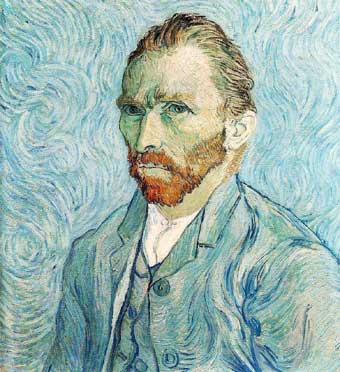
No doubt piqued by a sense of rejection, and schooled in the evils of hypocrisy by his readings in Shakespeare, Dickens, and Harrier Beecher Stowe, Vincent developed a passionate cynicism for those in authority, especially those in religious authority in the same way that he lost respect for commercial art dealers in Paris and London, and self-serving theological educators in Amsterdam, he grew disenchanted with the evangelical leaders hip he encountered in Belgium. "I must tell you," he wrote Theo, "that with evangelists it is the same as with artists. There is an old academic school, often detestable, tyrannical, the accumulation of horrors, men who wear a cuirass, a steel armor, of prejudices and conventions; when these people arc in charge of alEiirs, they dispose of positions, and by a system of red tape they try to keep their protégés in their places and to exclude the other man." Comparing the spirituality of evangelical worthies to that of shakespeare's drunken Falstatf (very Dickensian), van Gogh concluded that they were incapable of normal human emotions or of anything approaching clear-sightedness. A similar distrust of religious professionals shows up a year later, when, after yet another bout of unrequited love, this time with his cousin Kee Vos,he wrote that the object of his love was in a mental prison imposed by the "Jesuitism of clergymen," which no longer had a hold on him because he knew some of "the dessojis de canes": "For me that God of the clergymen is as dead as a doornail. But am I an atheist for all that? The clergymen considering so—so be it—but I love, and how could I feel love if I did not live and others did not live. Now call it God, or human nature or whatever you like, but there is something which I cannot define in a system though it is very much alive and very real, and see that as God, or just as good as God." Van Gogh's criticism of the religious professionals he had once sought to emulate was accompanied by a more inclusive and less mutually competitive view of religion, art, literature, and spirituality than was the case in his evangelical phase. "I think that everything which is really good and beautiful—of inner moral, spiritual and sublime beauty in men and their works—comes from God, and all which is bad and wrong in men and their works is not of God, and God does not approve of it." In this way van Gogh was able to move beyond what was at times an antithetical view of religion and art to one that sought unity in all "the many things one must believe and love." Thus he could find something of Rembrandt in Shakespeare and something of the Gospel in Rembrandt and so on. Nevertheless, resolutions of old warring members did not come easily to van Gogh, and not all was resolved. He recognized that he had spent five years of his life "more or less without employment, wandering here and there," and that he was still without a suitable vocation, financial resources, familial respect, or his own family. He described himself as a caged bird imprisoned by adverse circumstances, a damaged reputation, and insufficient redeeming love. Even if his cage had not sprung open, something substantial changed in him in the years 1879—80. After parting company with the Belgian evangelicals, never again are his letters dominated by endless scriptural quotations, pious instructions, and a desire to find some form of sacrificial Christian service. Van Gogh, the evangelical Protestant, was buried somewhere in the coal mines of the Borinage. The person who emerged from the Belgian "black country" was just as much a tortured soul as the person who entered it,
but never again was the torture prescribed for him by some form of intense biblical Christianity. Van Gogh came to believe that love was the more excellent way and that art, for better or worse, was his passion. In 1880 he wrote, "the best way to know God is to love many things. Love a friend, a wife, something—whatever you like—and you will soon be on the way to know more about Him."
Source: David Hempton, Evangelical Disenchantment: Nine Portraits of Faith and Doubt. (New Haven:Yale University Press, 2008), 128-29.
ජනතාවට වැදගත් වන ප්රශ්නය කුමක්ද?
සටහන:දිවයින පුවත්පතේ කර්තෘ විසින් ඉතා වැදගත් කතුවැකියක් ලියා තිබිණ. එය කෙතරම් වටිනා සටහනක් වී ද, මා විසින් එය මෙහි පළ කරන්නට කැමැත්තෙමි. එයින් දැනට ලංකාව ජනතාව විසින් කල්පනාවට ගත යුතු කරුණු කිහිපයක් දක්වයි. දැන් ලංකාවට අවශ්යවනුයේ තවත් ඡන්දයක් නො ව, සංවර්ධනයයි; ජනතාවට ජීවත් විය හැකි ජීවන බරකි. එහෙත් දේශපාලකයන් විසින් එවැනි ඡන්දයක් ජනතා දුක් නොසලකා, ඔවුන්ගේ වාසිය තකා ගෙනෙන්නට සූදානම් වන්නේ නම් පවතින ආණ්ඩුව පරදවා (හෝ සුළුතර ආසන ප්රමාණයක් දී) පාඩමක් ඉගැන් විය යුතු ය. එවිට ඡන්ද සෙල්ලම අත්හැර, ඔව්හූ වැඩට බසින්නා හ. බලයේ සිටින්නන්ට දැක්මක් ඇති කරලීම ඡන්ද දායකයා ගේ ශුද්ධ අයිතියකි. එසේ කටයුතු කිරීමට ලාංකියන්ට ප්රඥාව ලැබේ වා!
ජනරාල් සරත් ෆොන්සේකා දේශපාලනයට එනු ඇතැයි අයෙක් කියති. තමා එසේ කරන බවක් කිසිවකුට කියා නැතැයි එවිට ජනරාල් කියයි. ශ්රී ලංකාවේ ස්ථාවරත්වය බිඳ දැමීමට හේතු විය හැකි ඕනෑම කුමන්ත්රණයකදී ශ්රී ලංකාවට උපකාර කරන බව ඉන්දියාව කියයි. මේ සියලු කරුණු අතර මීළඟට පවත්වන්නේ ජනාධිපතිවරණයද නැතහොත් මහ මැතිවරණයද යන්න විසඳාගත නොහැකිව ආණ්ඩුව ලතැවෙයි. ඒ අතර උදේට කෑවොත් දවල්ට කන්නේ කොහොමද, දවල්ට කෑවොත් රෑට කන්නේ කොහොමද යනාදී වශයෙන් කල්පනා කරමින් මහජනයා ලතැවෙයි.
මේ රටේ ජනයාගේ ආදායමින් හරි අඩක්ම වැයවන්නේ ආහාර සඳහා බව හෙළිවී ඇතැයි ඉරිදා (18 දා) "දිවයිනේ" මුල් පිටුවේ පළ වී තිබේ. මේ ප්රතිඵලය නියෑඳියක් වශයෙන් තෝරාගත් පිරිසකගේ වියහියදම්වල සාමාන්යයකි. සැබෑ තත්ත්වය නම් මාසයේ මුළු වැටුපම ආහාර පිණිස වැය කර එයත්a මදි බැවින් තවත් ණය වන පවුල් දහස් ගණනක් මේ රටේ සිටින බව ය. උදාහරණයක් වශයෙන් මසකට රුපියල් 12000 ක වැටුපක් ලබන ගෘහමූලිකයකු සිටින පස්දෙනකුගෙන් යුතු පවුලක් ගනිමු. රුපියල් 12000 දින 30 න් බෙදූ විට දිනක ආදායම රුපියල් 400 කි. පස්දෙනකුගෙන් යුතු පවුලකට දිනකට ආහාර වේල් 15 ක් අවශ්ය ය. උදේ ආහාර වේල් 5 ට රුපියල් 100 ක්ද දිවා ආහාර වේල් 5 ට රුපියල් 200 ක් ද රාත්රි ආහාර වේල් 5 ට රුපියල් 150 ක් ද වැය කළ විට දවසේ වියදම රුපියල් 450 කි. එතැනම මේ පවුල දිනකට රුපියල් 50 බැගින් මසකට රුපියල් 1500 ක් ණය වෙයි. මේ මිනිසුන්ට බස්වල ගමන් කිරීමටද ඇඳුම් පැළඳුම් සඳහා ද, ලයිට් බිල් ගෙවීමට ද මුදල් ඉතිරි නොවේ. එ බැවින් තර්කයක් වශයෙන් ගතහොත් මේ පවුල කරුවලේ නිරුවතින් ගෙතුලට වී කල් ගෙවිය යුතු ය. ගෙහිsමියා පමණක් යන්තමින් විලි වසාගෙන වැඩට යා යුතු ය. එහෙත් රුපියල් 12000 ක ආදායමක් කළමනාකරණය කිරීම සඳහා වෙනත් ක්රම ඇති බැවින් මේ මිනිස්සු ද අනෙක් මිනිසුන් මෙන් ලයිට් බිල්/ ගෙවල් කුලී/ වතුර බිල් ගෙවමින් තුන් වේලෙන් දෙවේලක් හෝ ආහාර ගෙන දිවි ගැටගසා ගනිති.
ප්රශ්නය මේ මිනිසුන් කෙසේ හෝ ජීවත් වන බව කල්පනාවට ගෙන හිත හදා ගැනීම නොවේ. කෙසේ ජීවත්වේද යන්න සිතා බැලීම ය. දිනෙන් දින ඉහළ නගින උද්ධමනය හමුවේ බඩු මිල පහළ දැමිය නොහැක. ඒ ප්රශ්නයට විසඳුම ජනයාගේ ආදායම ඉහළ දැමීම ය. තිස් අවුරුදු යුද්ධයක් පැවැති රටේ යුද්ධය දිනූ ඇසිල්ලෙහි ජනයාගේ ආදායම ඉහළ දැමිය නොහැක. යුද්ධය නැවැතී ඇති නිසා යුද්ධයට වැය කළ සල්ලිත් ඉතිරි නොවේදැයි සමහරු ප්රශ්න කරති. එහෙත් අප යුද කළේ ද ණයට ය. ඒ නිසා තවත් අවුරුදු කිහිපයක්ම යුද ණය ගෙවීමට තිබේ. එසේ නම් කළ යුත්තේ කුමක්ද? මේ වළෙන් ගොඩ එන්නේ කෙසේද?
මුලින්ම බොරු වියදම් නැවැත්විය යුතුය. ජනාධිපතිතුමා ඇතුළු රටේ පැවැත්මට තීරණාත්මක ලෙස බලපාන දේශපාලනඥයන්ගේ සහ නිලධාරීන්ගේ හැර අන් සියලු දේශපාලනඥයන්ගේ විය හියදම් අඩු කළ යුතු ය. දැනට සිටින කරකබල් වැනි දේශපාලනඥයෝ පවා තමන් වෙනුවෙන් ආණ්ඩුවේ මුදල් විශාල ලෙස වියදම් කර ගනිති. ඇතැම් සුළු දේශපාලනඥයකු වුව පාරේ යන විට ඉදිරියෙන් වාහන තුන හතරක් ද පස්සෙන් වාහන තුන හතරක් ද ගමන් කරති. ඔවුන් එකතුවන තැන්වල පරිභෝජනය සහ පරිභෝජන වියදම නිතැතින්ම නගී. කළ යුත්තේ මේ වැය කපා හැර එම ඉතිරිය රටේ ජාතික ධනයට පොම්ප කිරීම ය. එසේ නැතුව ජෙනරාල්
ෆොන්සේකා දේශපාලනයට එනවාද නැද්ද යන්න ගැන ලතවීම නොවේ.
Tuesday, October 6, 2009
Rewriting the Human Evolution Story
"Although the differences between humans, apes and chimps today are legion, we all shared a common ancestor six million years or so ago. These fossils suggest that the common ancestor – still undiscovered – resembled a chimp much less than researchers have always believed.
In fact, so many traits in modern chimps and apes are missing from these early hominids that researchers now question the notion that chimps and apes are a repository of primitive traits once shared by our ancestors. "We all thought the ancestral animal would look more like a chimp," said Yale University anthropologist Andrew Hill.
Instead, the new finds show that what seems most ancient about modern chimps and apes -- such as canine fangs, long limbs with hooked fingers for swinging through trees, and hands designed for knuckle-walking -- may actually be more recent developments, the researchers said. In that sense, the human hand today actually may be the more primitive appendage, they said.
Unlike modern apes and chimps, these hominids had supple wrists, strong thumbs, flexible fingers and power-grip palms shaped to grasp objects like sticks and stones firmly. They were primed for tool use, even though it would be another two million years or so before our ancestors began to fashion the first stone blades, choppers and axes"
It amazing isn't it, how Science can fool people for decades!!!
Watch the WSJ presentation of the founding, you'll be astonished:
Thursday, September 24, 2009
Story of the Spaffords!
In 1871 his only son died.
A few months later, the Great Chicago fire of 1871 consume Spafford's real estate investment. He lost his entire life savings.
Two years later, Spafford and his family decided to take a vacation to Europe. However, Spafford was delayed by last minute business. He sent his wife and four daughters on the S.S. Ville Du Havre as scheduled, promising to follow in a few days.
On November 22, 1873 the ship was struck by an iron sailing vessel, and it sank in twelve minutes, 226 people were killed.
When the survivors of the shipwreck landed in Europe, Anna Spafford cabled her husband, "saved alone. What shall I do?"
Spafford immediately left Chicago to bring his wife home.
In the midst of his sorrow, while sailing near the place of his daughters' death, he wrote the words to the hymn "It Is Well With My Soul."
In spite of their tragedy, in 1881 the Spaffords moved to Jerusalem to meet the needs of the people. Through their service the Spaffords were able to share Christ with the local Muslims and Jewish communities….
See the Source video:
Saturday, September 12, 2009
God’s Handwriting!
"He writes in characters too grand
For our short sight to understand;
We catch but broken strokes, and try
To fathom all the mystery
Of withered hopes, of death, of life,
The endless war, the useless strife,—
But there, with larger, clearer sight,
We shall see this—His way was right."
-John Oxenham (1903)
Monday, August 31, 2009
Urgent Prayer for Christians of Pakistan
Dear VOM Friends,
It was just a rumor. But among the radical Muslims in Pakistan's Gojra village, a rumor was enough of an excuse to kill.
When the rumor was broadcast from the loudspeakers on the minarets of local mosques, it became fact. As part of a wedding ceremony, the loudspeaker shouted, Christians tore pages from a Quran. Then they compounded the disrespect by walking on the shredded pages.
"Defend Islam!" The loudspeaker called. Muslims answered, rampaging through a Christian section of Gojra on Aug. 1. Eight Christians were killed, including women and children. More than 100 Christian homes were burned by a mob. The mob, which was estimated to be more than 20,000 people, also burned a church.
Five Hours Without Help
Emergency personnel did not reach Gojra for more than five hours. Christians were forced to use vegetable carts to move their dead and wounded to the hospital.
Responding to an international outcry, Pakistani government officials have now said no Quran was desecrated. The government promised to help rebuild the burned homes of Christian families.
Even before the government acted, contacts of The Voice of the Martyrs were in Gojra, offering comfort to the wounded and praying with the families of the dead. They continue to aid the village, including helping with some medical expenses, offering encouragement and pressing for a forceful government response.
Pray Blasphemy Laws Are Overturned
Christians in Pakistan hope these attacks can be a turning point. They are praying to God and pressing their government to overturn unjust blasphemy laws that are often a pretext to attack Christians.
They are also asking us to pray with them. Pray for Christians in Pakistan to be bold witnesses for Christ, despite threats. Pray for those wounded and left homeless by the brutal Gojra attacks. Pray for Muslims to come to know Jesus Christ in a personal way.
Friday, August 28, 2009
Martin Quèrè
"Whence then comes wisdom? And where is the place of understanding?" Job 28:20
Wednesday, August 26, 2009
How to Find a True Gem!

This story sent to me by one of my dear friend. I stated it as it is:
I MUST WARN you, reader; before you begin. These words are ancient jewels mined
from the quarry of my life. Read them only if you dare treasure them. For it would be better to
never know, than to know and not obey.
The hand which writes them is now old, wrinkled from the sun and labor. But the mind
which guides them is wise; wise from years
wise from failures
wise from heartache.
I am Asmara, merchant of fine stones.
I am a seller of stones. I travel from city to city. I buy jewels from the diggers in one land
and sell them to the buyers in another I have weathered nights on stormy waters. I have walked
days through desert heat. I have dined with kings. I have drunk with paupers. My hands have
held the finest rubies and stroked the deepest furs. But I would trade it all for the one jewel I
never knew.
It was not for lack of opportunity that I never held it. There was a chance in Madrid when
I was young. No, it was not for lack of opportunity. It was for lack of wisdom. The jewel was in
my hand, but I exchanged it for an imitation. And now I fear my days will end without my ever
knowing the beauty of the precious stone.
I have never known true love.
I have known embraces. I have seen beauty. But I have never known love.
If only I'd learned to recognize love as I have learned to recognize stones.
My father taught me about stones. He was a jewel cutter. He would seat me at a table
before a dozen emeralds. "One is true," he would tell me. "The others are false. Find the true
jewel."
I would ponder—studying one after the other. Finally I would choose. I was always
wrong."The secret, "he would say," is not on the surface of the stone; it is inside the stone. A
true jewel has a glow. Deep within the gem there is a flame. The surface can always be polished
to shine, but with time the sparkle fades. However, the stone that shines from within will never
fade."
With the years, my eyes learned to spot true stones. I am never fooled. The stones I
purchase are authentic. The gems I sell are true. I have learned to see the light within.
If only I'd learned the same about love.
But I've been foolish, dear reader, and I've been fooled.
I've spent my life in places I shouldn't have been, looking for someone with sparkling
eyes, beautiful hair, a dazzling smile, and fancy clothes. I've searched for a woman with outer
beauty, but no true value. And now I am left with emptiness.
Once I almost found her. Many years ago in Madrid, I met the daughter of a farmer. Her
ways were simple. Her love was pure. Her eyes were honest. But her looks were plain. She would
have loved me. She would have held me through every season. Within her was a glow of devotion
the like of which I've never seen since.
But I continued looking for someone whose beauty would outshine the rest.
How many times since have I longed for that farm girl's kind heart, her sweet smile, her
faithfulness? If only I'd known that true beauty is found inside, not outside. If only I'd known,
how many tears would I have saved?
I'd trade in a moment a thousand rare gems for the true heart of one who would have
loved me.
Dear reader, heed my warning. Look closely at the stones before you open your purse.
True love glows from within and grows stronger with the passage of time.
Heed my caution. Look for the purest gem. Look deep within the heart to find the greatest
beauty of all. And when you find that gem, hold onto her and never let her go.
For in her you have been granted a treasure worth far more than rubies.
Seek beauty and miss love.
But seek love and find both.
Friday, August 21, 2009
If, Just If…

"One prominent Sri Lankan clergyman D.T. Niles said, 'evangelism is one hungry beggar telling another where he can find bread!'
Just imagine a village full of beggars, whom no one knows where to find bread; therefore hundreds are dying in hunger daily.
Several miles away, there is a place where people not only have their full but they just throw fresh bread as trash, because they have so plenty.
If a person knew the existence of these two places, What would his/her response be?
Now… Just think
If the remote hungry beggars' village is a real existing remote village in Venezuela, El Salvador, Ethiopia, Somalia, China, India, Vietnam or Sri Lanka;
If the plentiful place of food is your church, here in USA;
If the bread is the living word of God, the gospel message of Jesus Christ,
and the only person who knows the existence of this two place is YOU (now you know any way)—
what would you do?
Two Ladies were sharing lunch together when one said to the other: "I don't know many Christians,but somehow I can't help regarding them as hypocrites." Said the other, "But your sister-in-law, she lives in the same house with you; surely you must acknowledge that she is a devoted Christian." "That's just it," was the laughing reply. "She has a very lovely disposition, and she devotes her life to missions and Sunday schools, but she has never said a word to me about becoming a Christian. It's only make-believe with her about souls being in danger. You need not tell me! I know that she is fond of me, but if she believed all that, don't you think she would not have said something?"
[This is a part of the application in a sermon I prepared for World Missions Class].